
Aeration & Overseeding in Alabaster, AL
Healthier Root Growth
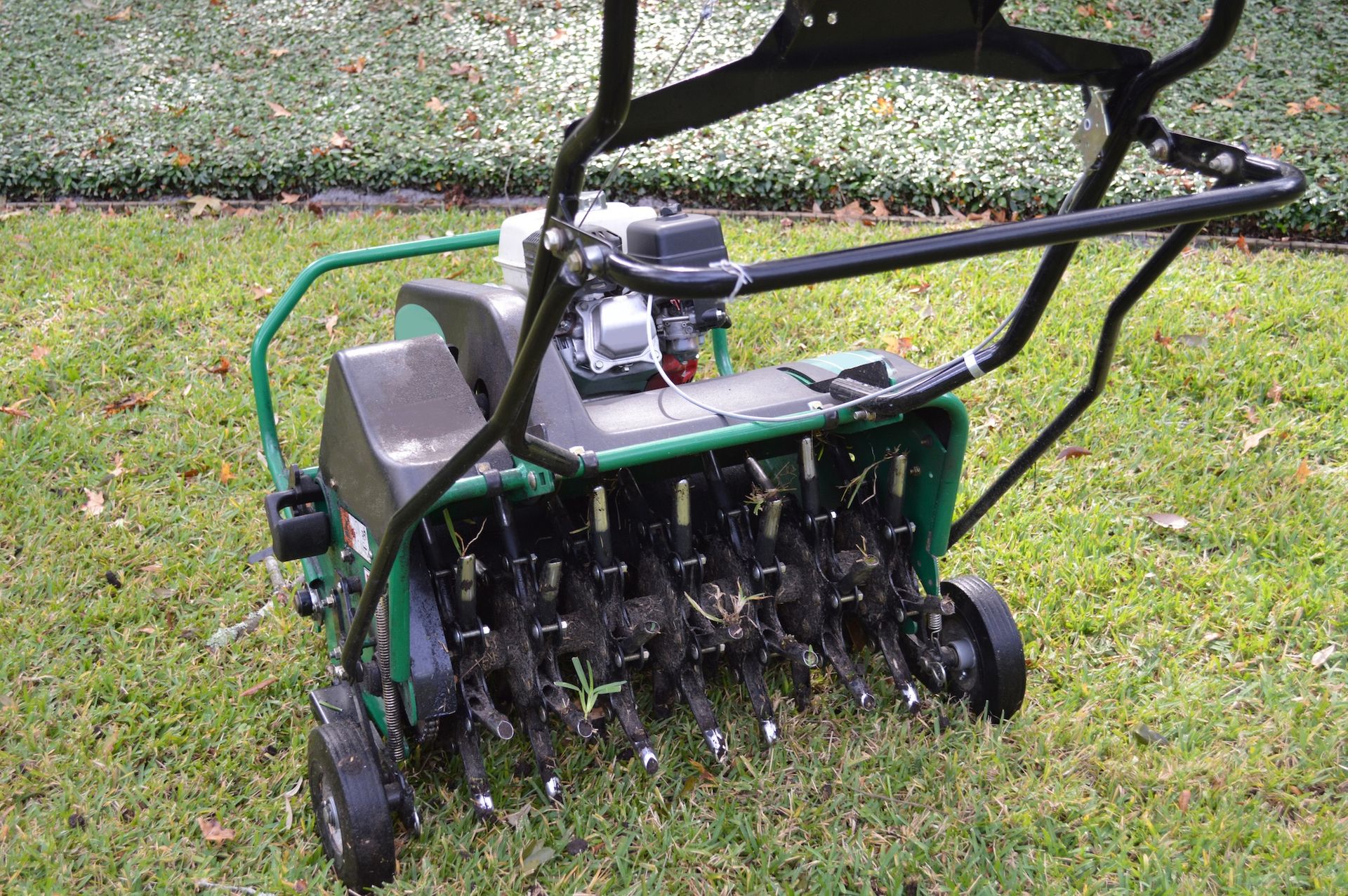
Fix Thin, Compacted Turf With Core Aeration
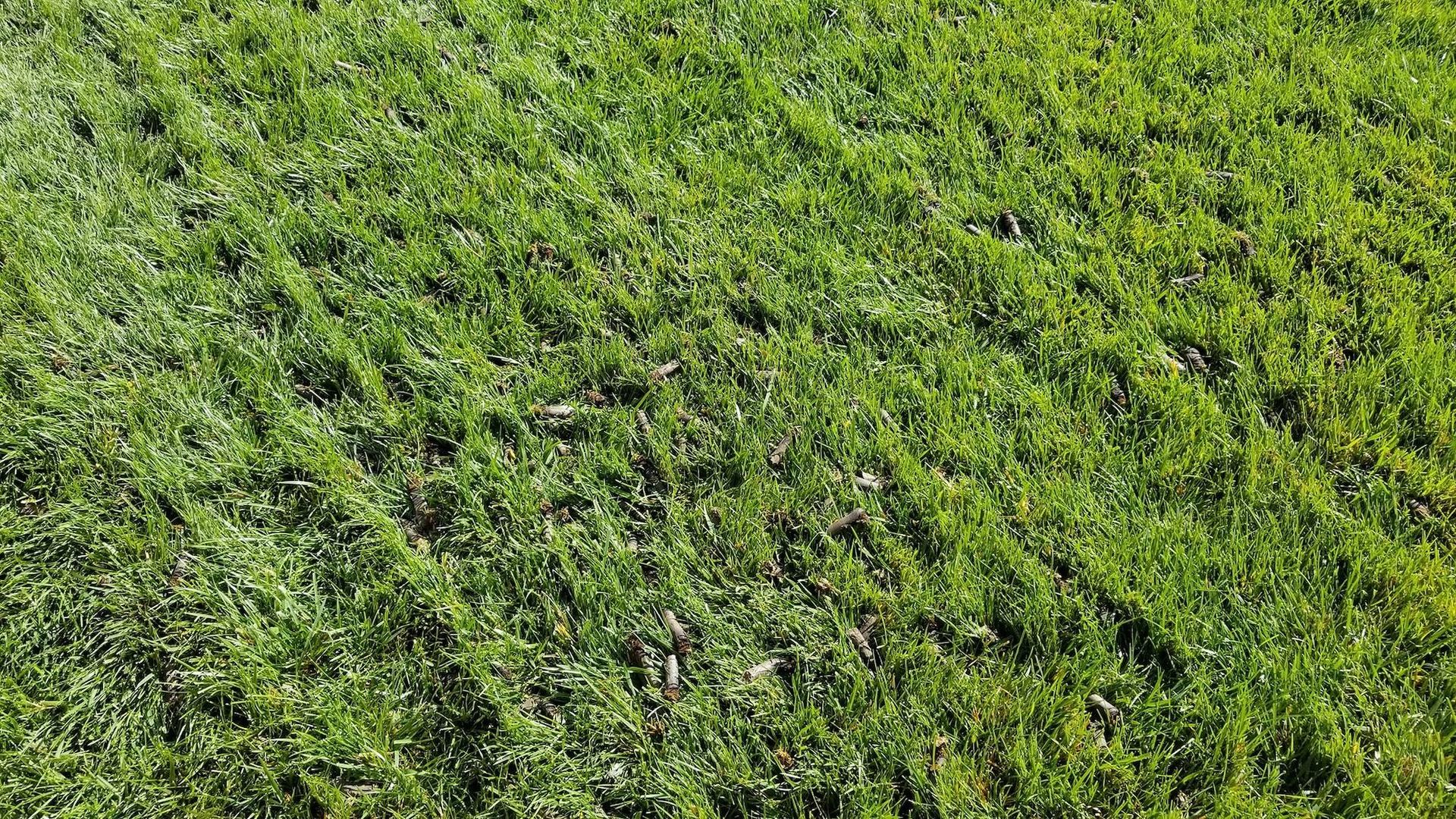
Compacted soil can restrict root development, reduce water infiltration, and contribute to thinning grass. Alabaster's clay-rich soils are particularly susceptible to compaction from regular foot traffic and equipment use. Core aeration creates openings that improve movement of air, water, and nutrients into the root zone.
When appropriate for the existing turf, overseeding can help establish additional grass coverage. Our lawn mowing supports ongoing turf management. Request an estimate to discuss your lawn's condition and treatment options.
Aeration & Seeding
Thicker, Fuller Grass After Aeration & Overseeding in Alabaster, AL
Successful aeration and seeding depend on grass variety, soil moisture, and seasonal timing. Warm-season lawns such as Bermuda and zoysia are generally aerated during active growth, while tall fescue benefits from early-fall renovation. Overseeding is not appropriate for every turf type or property. If standing water or runoff contributes to poor grass performance, our drainage solutions may help address underlying site conditions.
FAQs
Aeration & Overseeding FAQs in Alabaster, AL
1. When is the best time to aerate a lawn in Alabaster?
Timing depends on the turfgrass. Bermuda and zoysia lawns are generally aerated in late spring or early summer when actively growing and capable of recovering quickly. Tall fescue is typically aerated in early fall when cooler temperatures support root growth. Aeration should be avoided when soil is excessively wet or the lawn is under severe stress.
2. Should every lawn be overseeded after aeration?
No. Overseeding depends on the existing grass species and the desired result. Tall fescue lawns often benefit from fall overseeding to improve density. Established zoysia and many Bermuda lawns are more commonly maintained through their natural spreading growth. Some Bermuda varieties are sterile hybrids that cannot be reproduced true to type from seed.
3. How can I tell whether my lawn needs core aeration?
Signs may include compacted areas where water infiltrates slowly, thinning turf in high-traffic locations, or shallow root development. However, similar symptoms can result from shade, disease, improper watering, or drainage problems. A soil assessment and inspection of growing conditions help determine whether aeration is likely to improve lawn performance.
Landscape Maintenance
Our Residential Landscape Maintenance Services
Shrub Pruning & Trimming
Landscape Bed Weeding
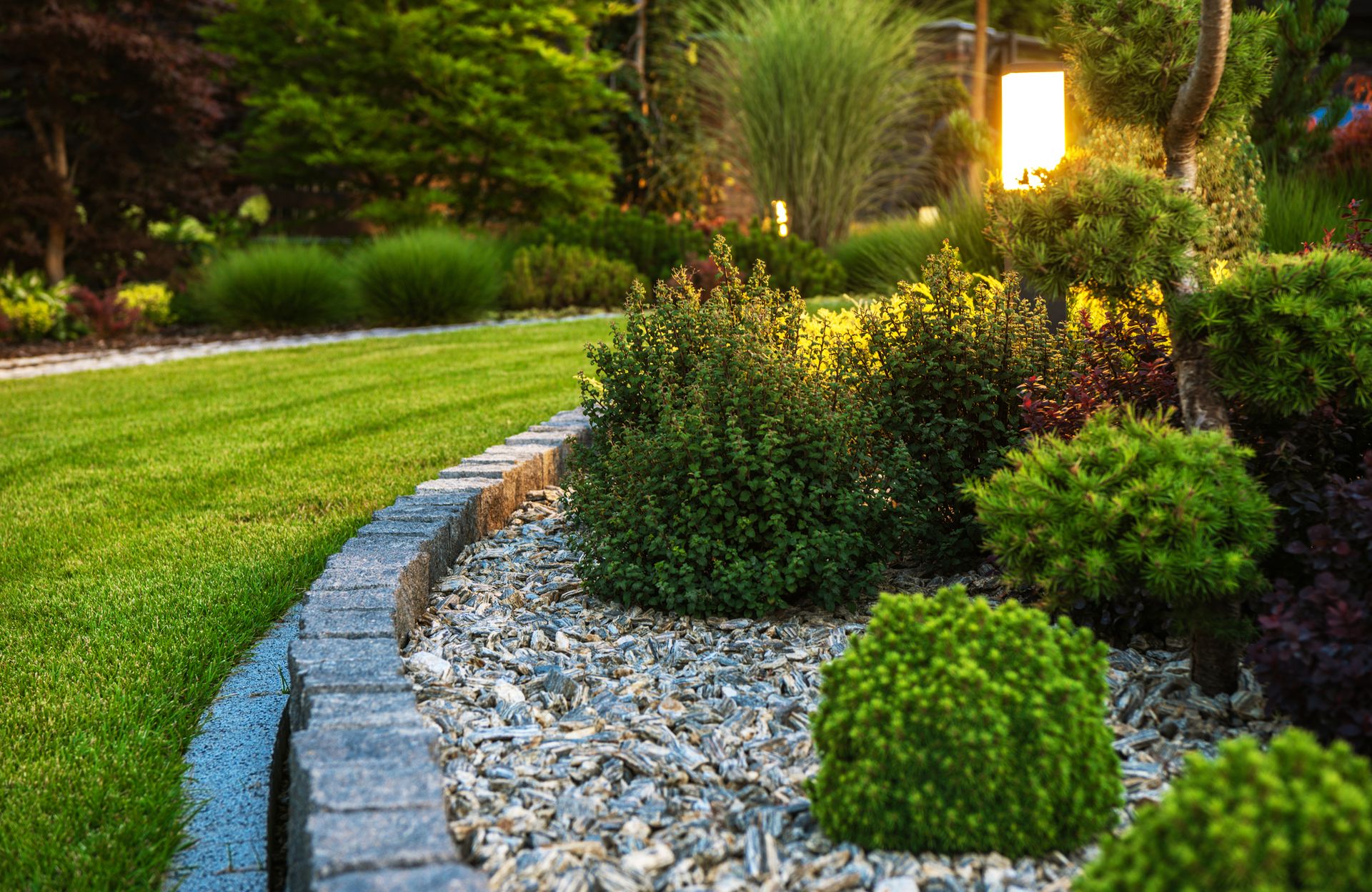
Bed Edging
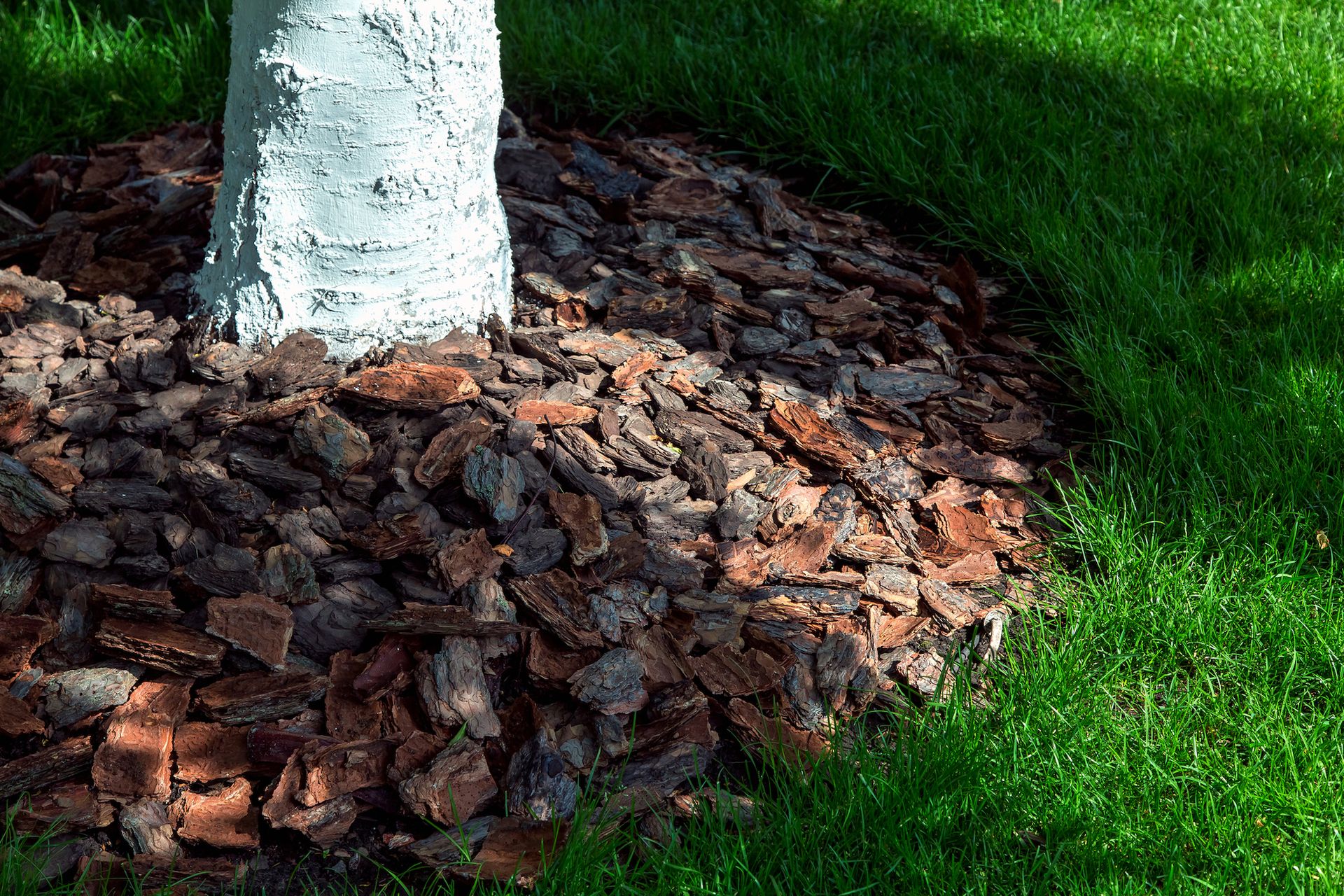
Mulch Installation
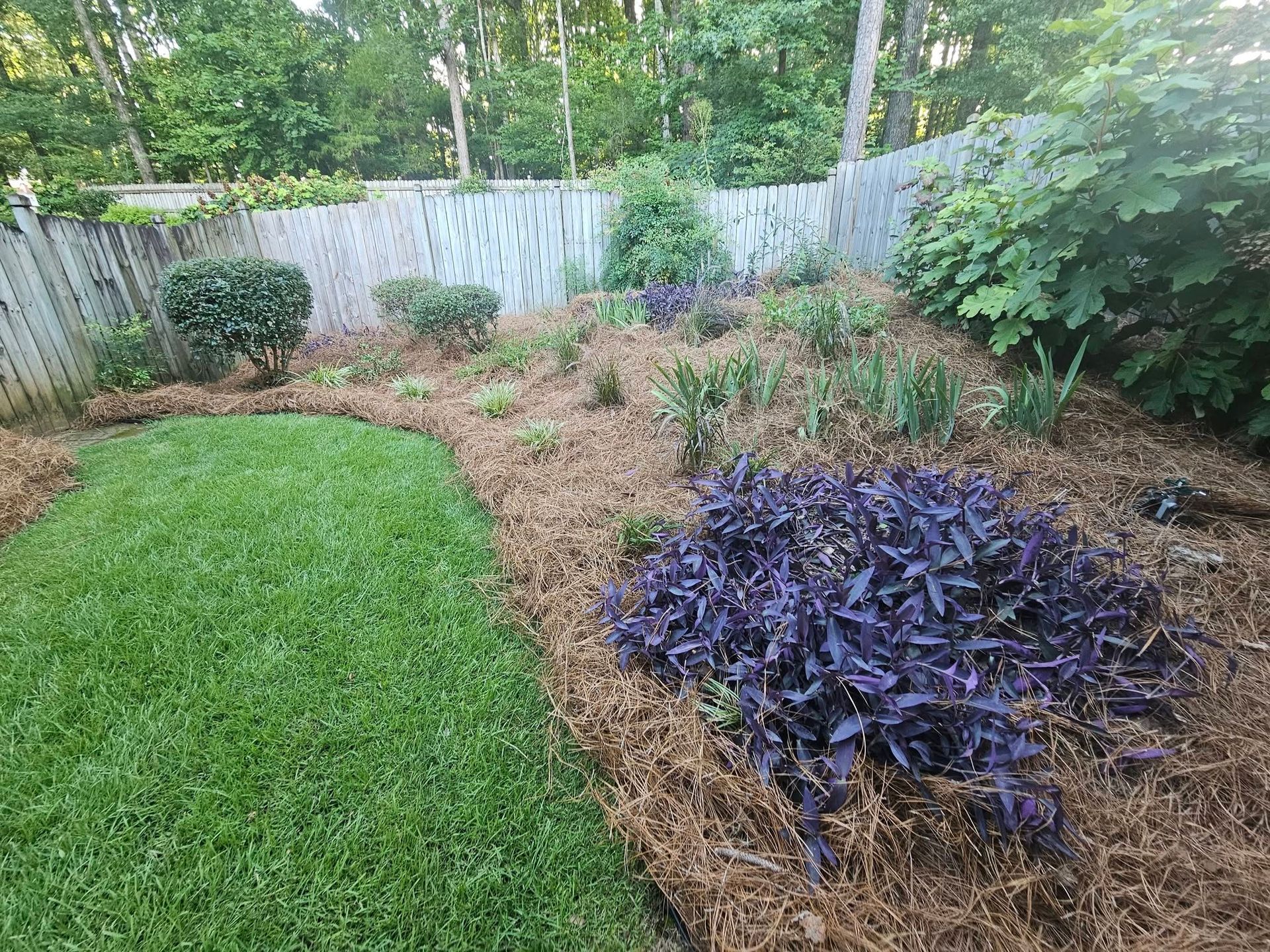
Pine Straw Installation